January 13, 2022

Redefining Healthy Homes in the Age of Climate Disruption
Climate Disruption Calls for a New Concept of Healthy Zero Energy Homes
Read ArticleDecember 8, 2021

Interior Design Ideas for Living Big in Small Spaces
Because they are affordable, small homes are attractive to many younger homebuyers as well as retirees who are downsizing. Small homes are also more energy efficient. Whether you’re in a new smaller zero energy home or an existing small home, these interior design tips will help you live big in a smaller space.
Read ArticleDecember 7, 2021
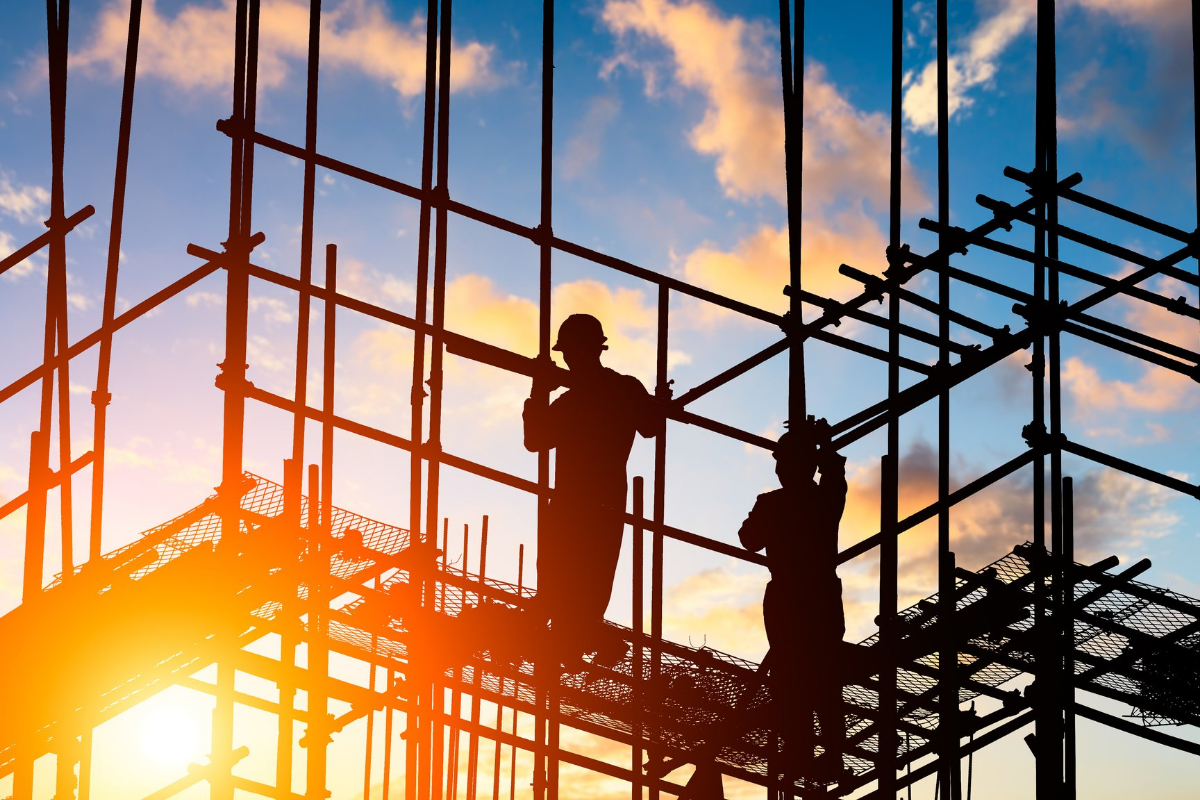
Low-Cost, High-Value Opportunities to Reduce Embodied Carbon in Buildings
The top building material categories that account for most embodied carbon in home construction include concrete, rebar, insulation, glazing, and finishes. There are proven low-embodied-carbon solutions that can be broken down into three main categories: whole-building design, one-for-one material substitution, and specification. In general, whole-building design solutions can drive the greatest embodied carbon savings along with following low-embodied-carbon best practices throughout the building design and construction process.
Read ArticleDecember 6, 2021

The 2021 EEBA Team Zero Inventory of Zero Energy Homes Is Now Underway
The Inventory of Zero Energy Homes is the definitive metric of market growth in this housing sector. Now is the time to add your new project to the database or update your current listing.
Read ArticleDecember 1, 2021
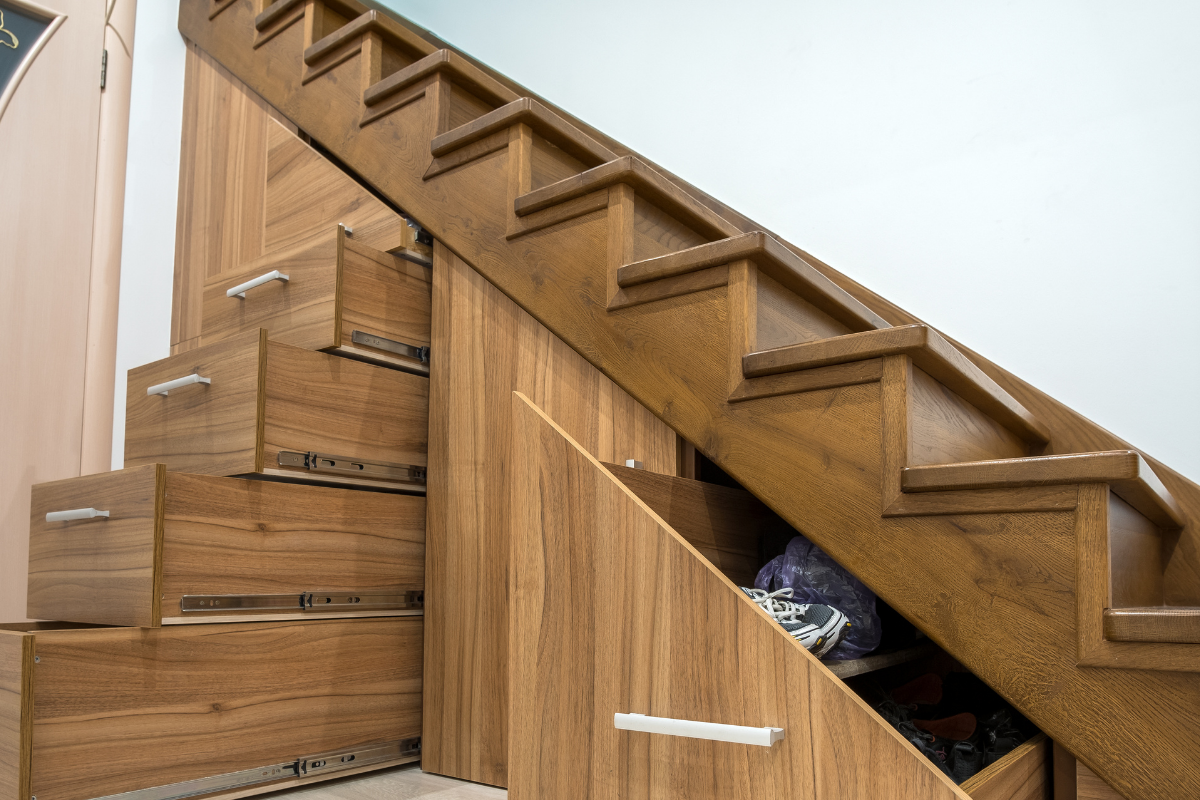
Go Small, Live Well
One important step toward making zero energy homes affordable is to make them smaller. However, smaller homes don’t mean sacrificing comfort or function. Here are 20 design ideas that allow you to live big in a small footprint.
Read ArticleNovember 12, 2021
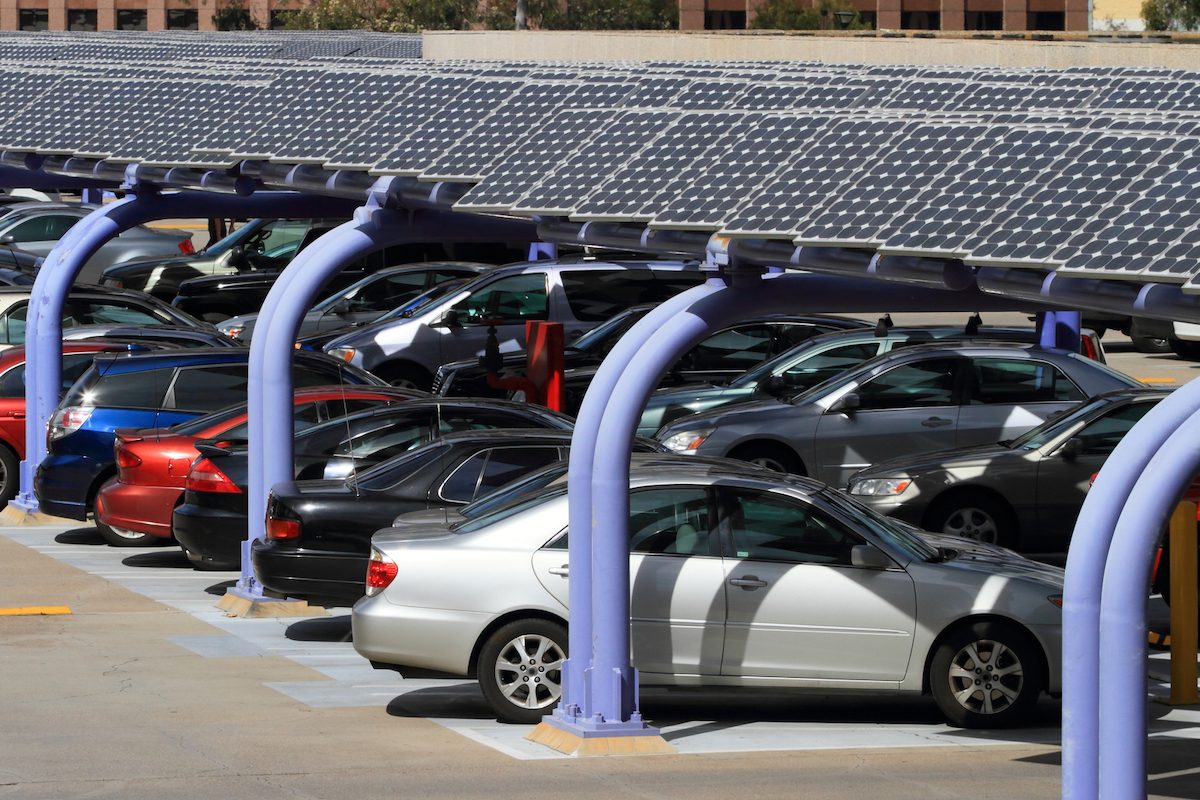
Shedding Light on the “Dark Side” of Solar Power
The dark side of solar power includes trashing millions of used solar panels and batteries in landfills, intermittent production, and taking large tracts of land out of productive use. But new recycling approaches, and energy management and land use strategies are keeping the light on solar. It has a bright future.
Read ArticleSeptember 20, 2021

Behavior Change Is Critical for Reaching Net-Zero Energy
Reaching global net-zero emissions by 2050 will require everyone to make changes in their behavior. But thermostat adjustments will not be enough. The public must accept new government policies and adopt available technologies, too. The drive to change is becoming apparent. We need to accelerate the trend.
Read ArticleSeptember 20, 2021
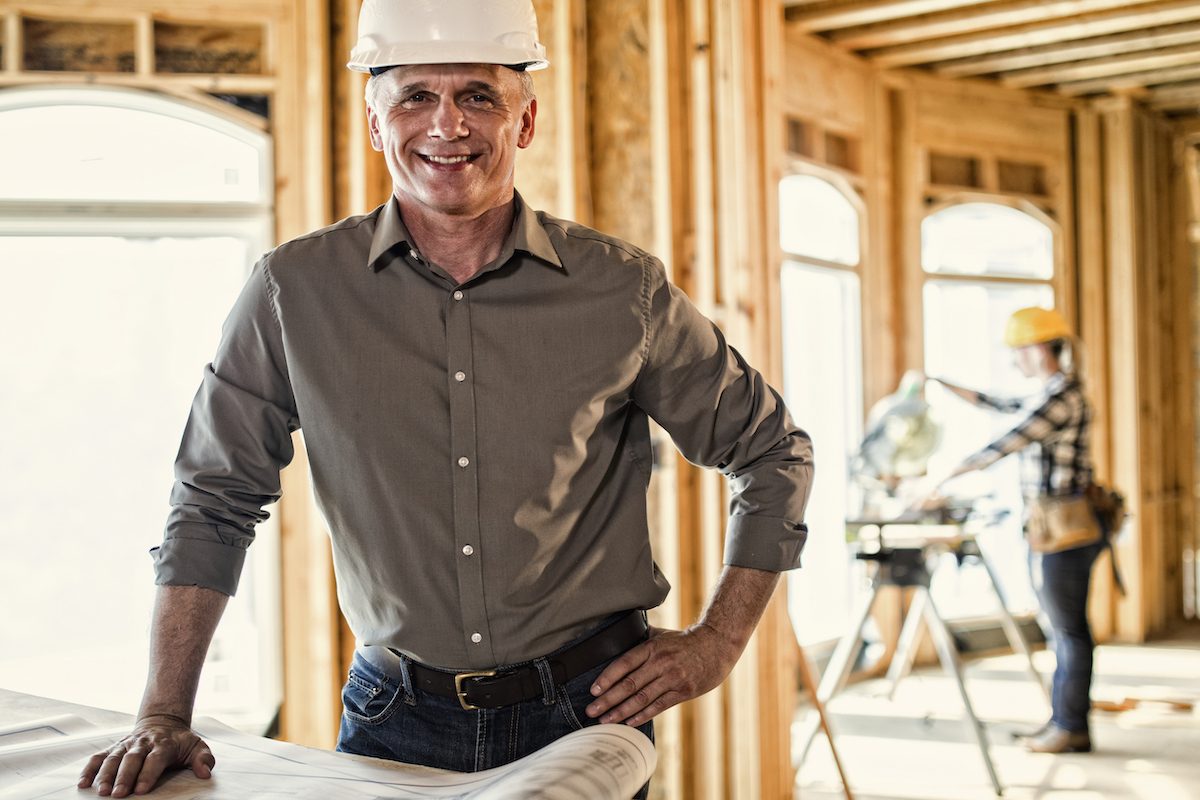
Three Steps for Building Carbon Neutral Houses
Well-built homes stand for 100 years or more. We must ensure that every home is affordable and has a low carbon footprint. Green builders are taking steps to achieve these goals — three policy innovations will encourage more builders to get on board.
Read ArticleSeptember 20, 2021
Act Now: List or Update Your Home in the Inventory of Zero Homes
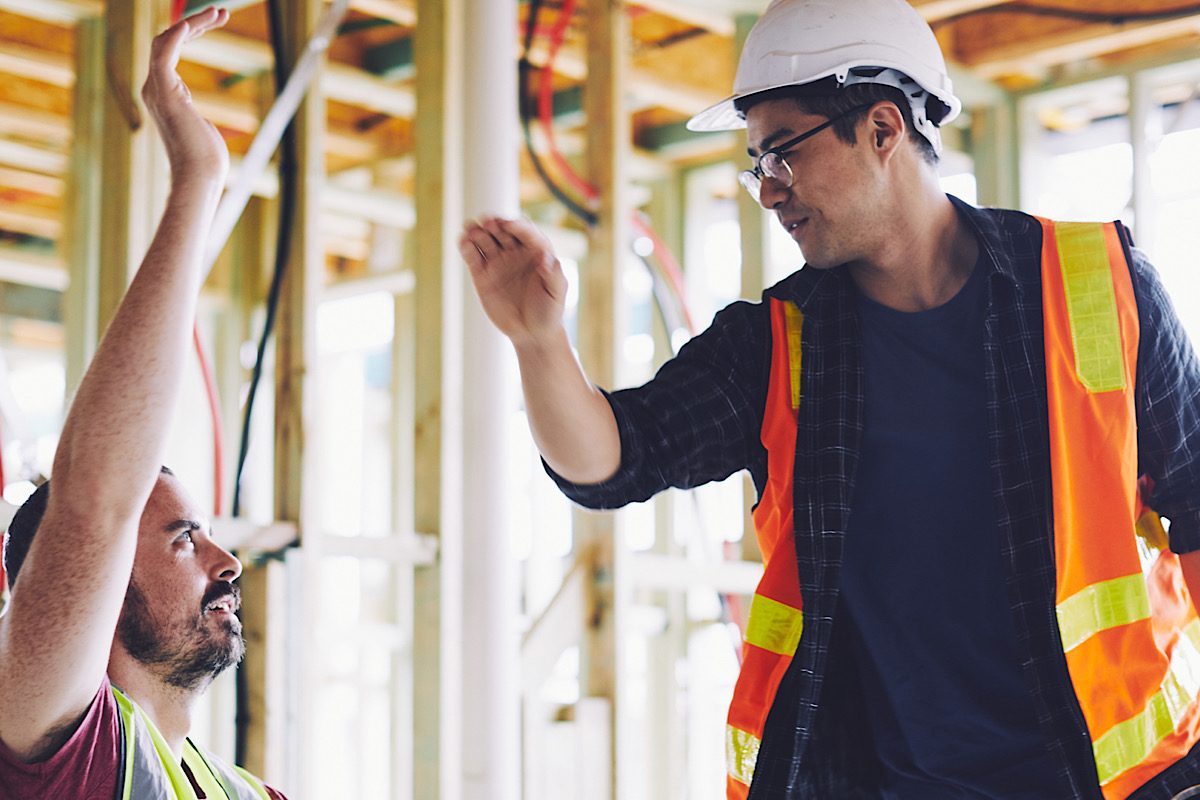
Tracking the growth of zero energy homes in all their different forms is essential to building momentum for the growth of zero. If you are an owner, builder, or designer of a zero home, be sure your home is listed and help grow the movement toward zero.
Read ArticleSeptember 20, 2021
Thinking Inside the Box
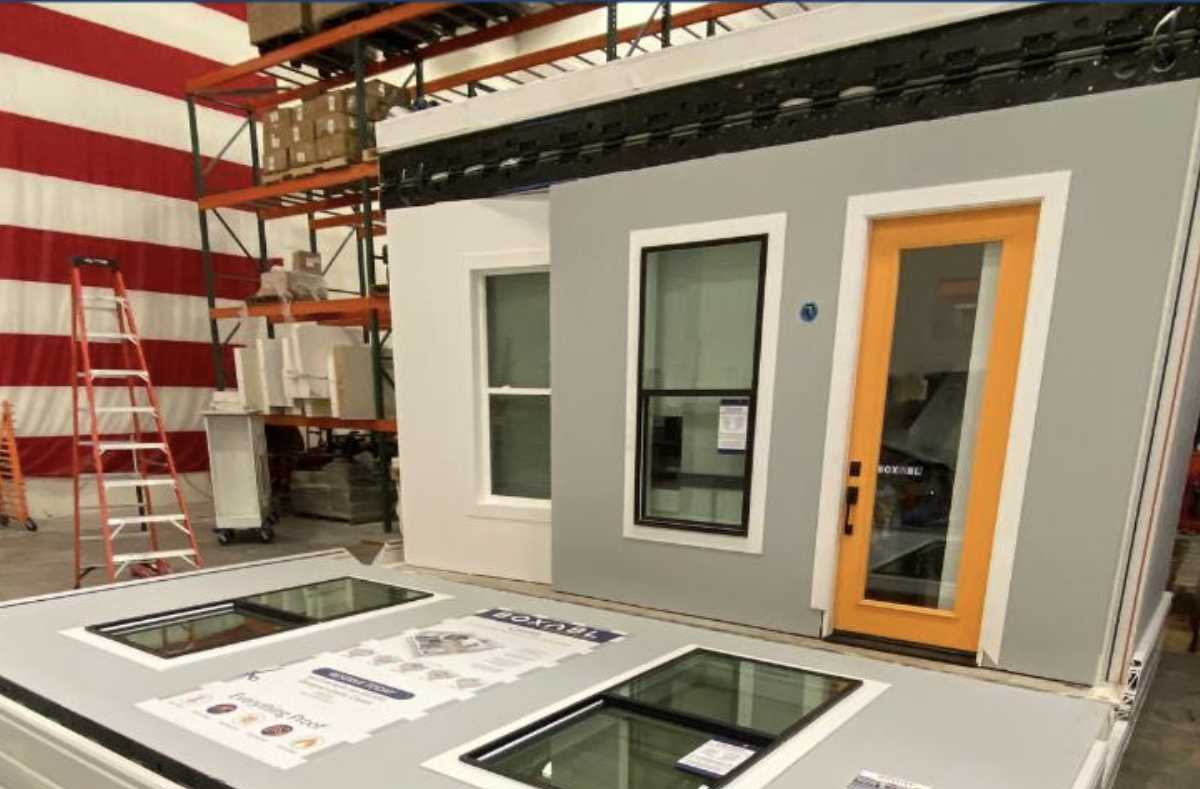
Factory-built homes show great promise for zero energy housing. This company is combining high performance and small size with low cost to meet the housing challenges of the coming decade.
Read ArticleAugust 6, 2021

Financing Energy-Efficient Housing on a Massive Scale
There is one major obstacle to the widespread transition to zero energy homes: The mortgage industry has been slow to recognize their higher market value and reluctant to finance the additional upfront cost of financially sound energy efficiency features. One solution is a system to create mortgage backed securities specifically for energy efficient homes.
Read ArticleAugust 5, 2021
Zero Homes Are Great: Let’s Make Them Better — Zero 2.0
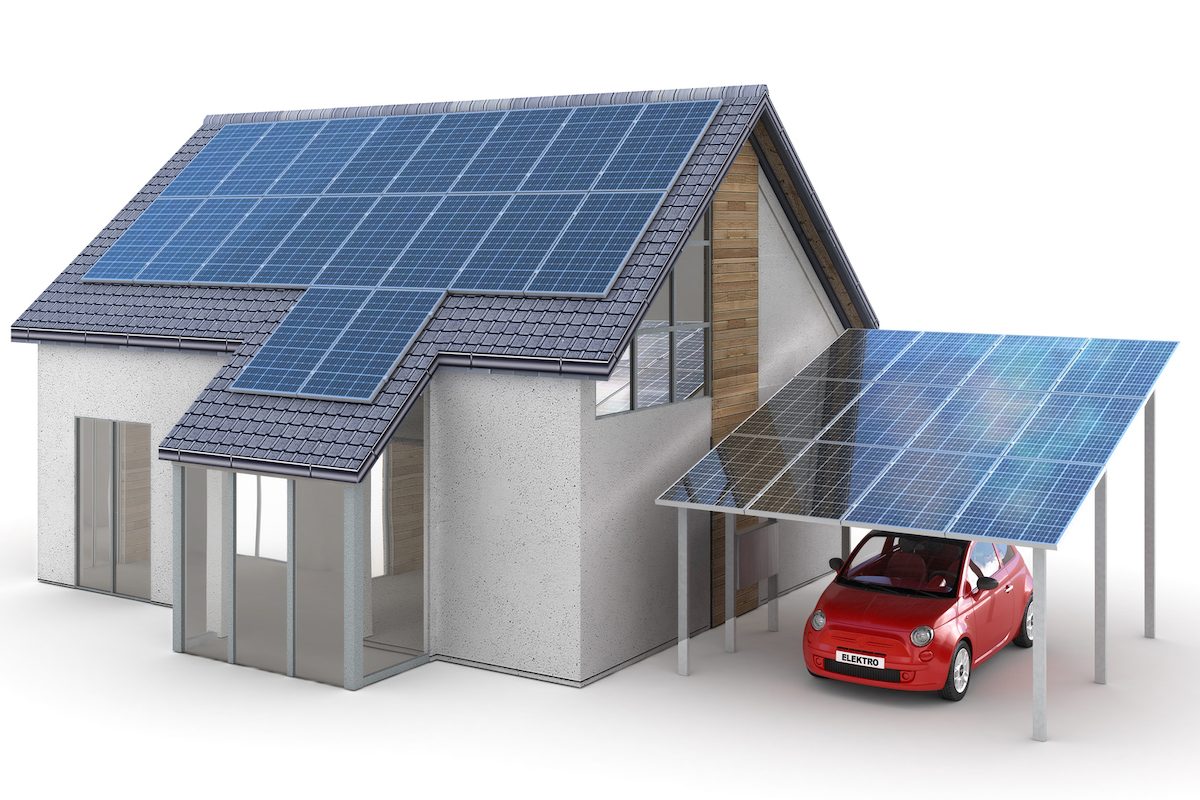
Ten years ago, making a home or building generate as much energy as it uses over the course of a year seemed an immense challenge. Tens of thousands of these advanced energy-efficient structures have been built. But they need to be better to meet the challenges of climate change, health, security, and resilience. So what’s next? Zero 2.0!
Read Article